Author: Murugan Swaminathan
-
Colonel John Pennycuick (1841-1911): The Visionary Behind the Mullaperiyar Dam
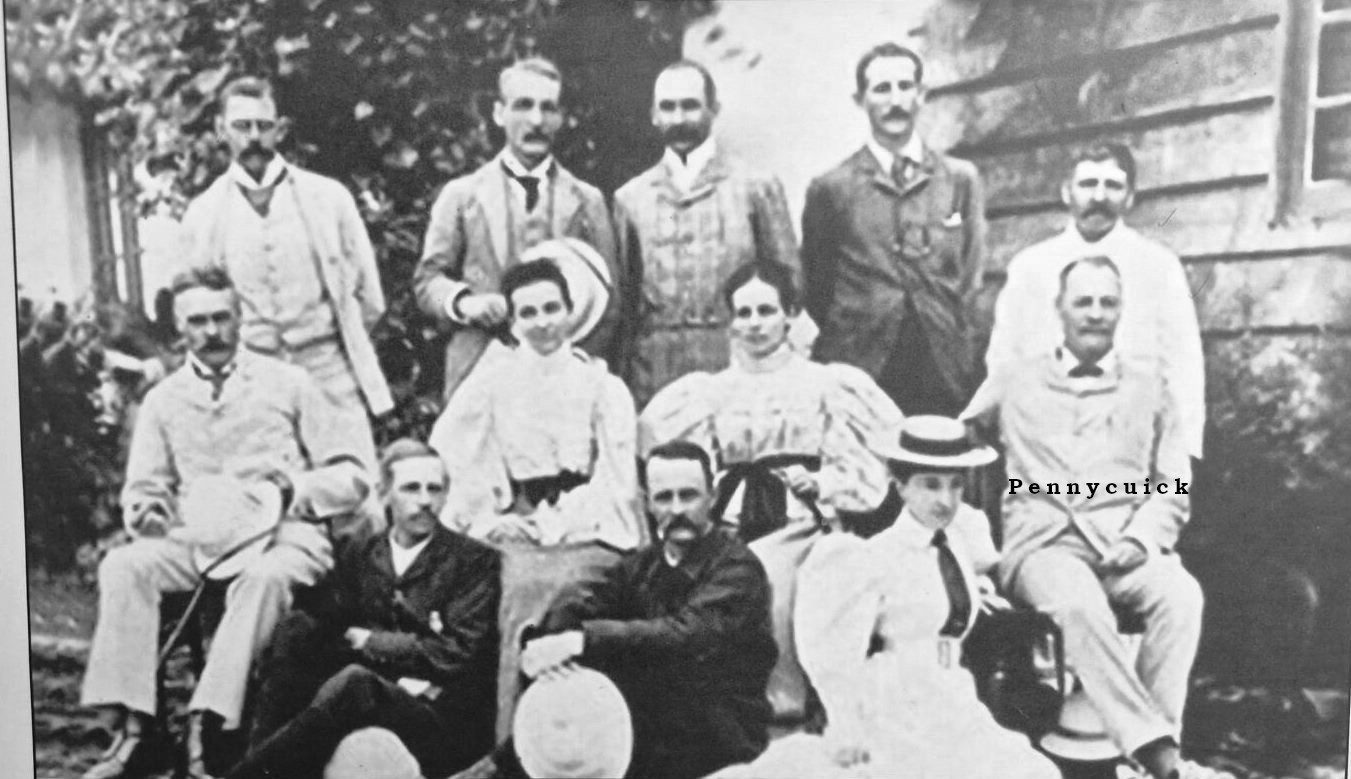
The Mullaperiyar Dam, situated in Thekkady, Idukki district, Kerala, near the Tamil Nadu border, is operated by the Government of Tamil Nadu under a 999-year lease agreement to irrigate agricultural lands in southern Tamil Nadu. The Mullaperiyar Dam is a masonry gravity dam, designed and constructed to divert the west-flowing Periyar River eastward into the… Read more
Written by
-
The rebel Prince: Jahangir’s revolt and the murder of Abul Fazl
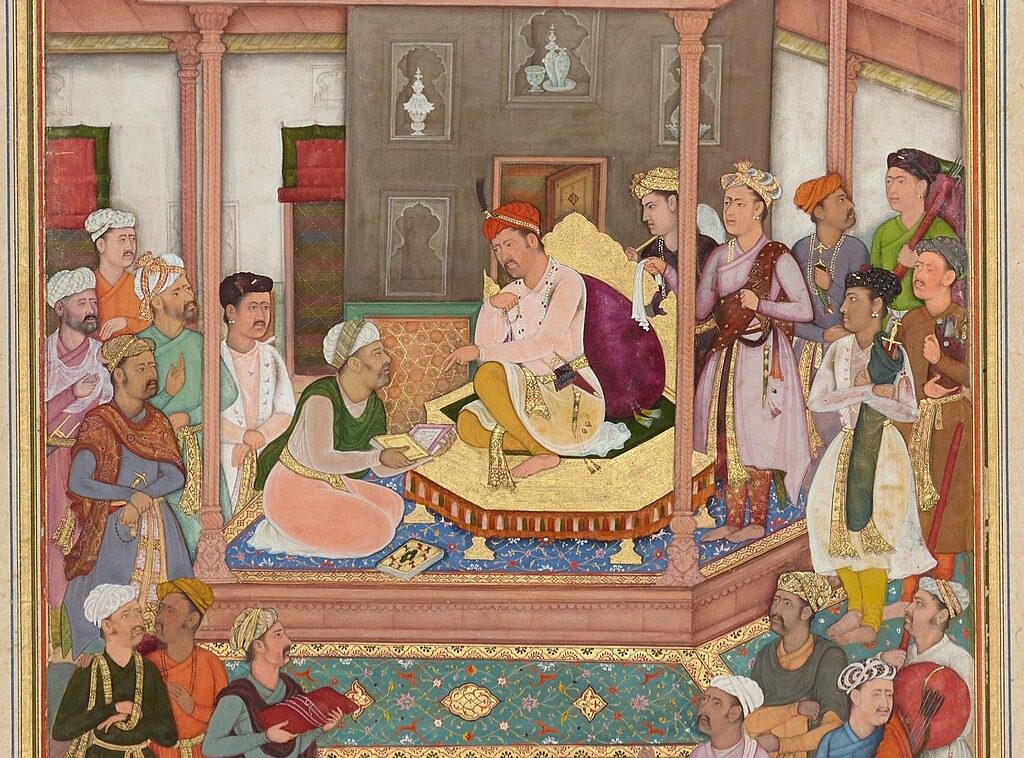
Prince Salim, who later ascended the throne as Emperor Jahangir, rebelled against his father, Akbar, and established an independent regime in Allahabad between 1599 and 1604. Abul Fazl, the author of the Akbarnama—a biographical account of Akbar’s life and achievements—and the translator of the Bible into Persian, stood as one of the emperor’s most trusted advisers. However, he was… Read more
Written by

-
Raja Swarup Singh and his son Raja Desingh of Gingee (Senji)
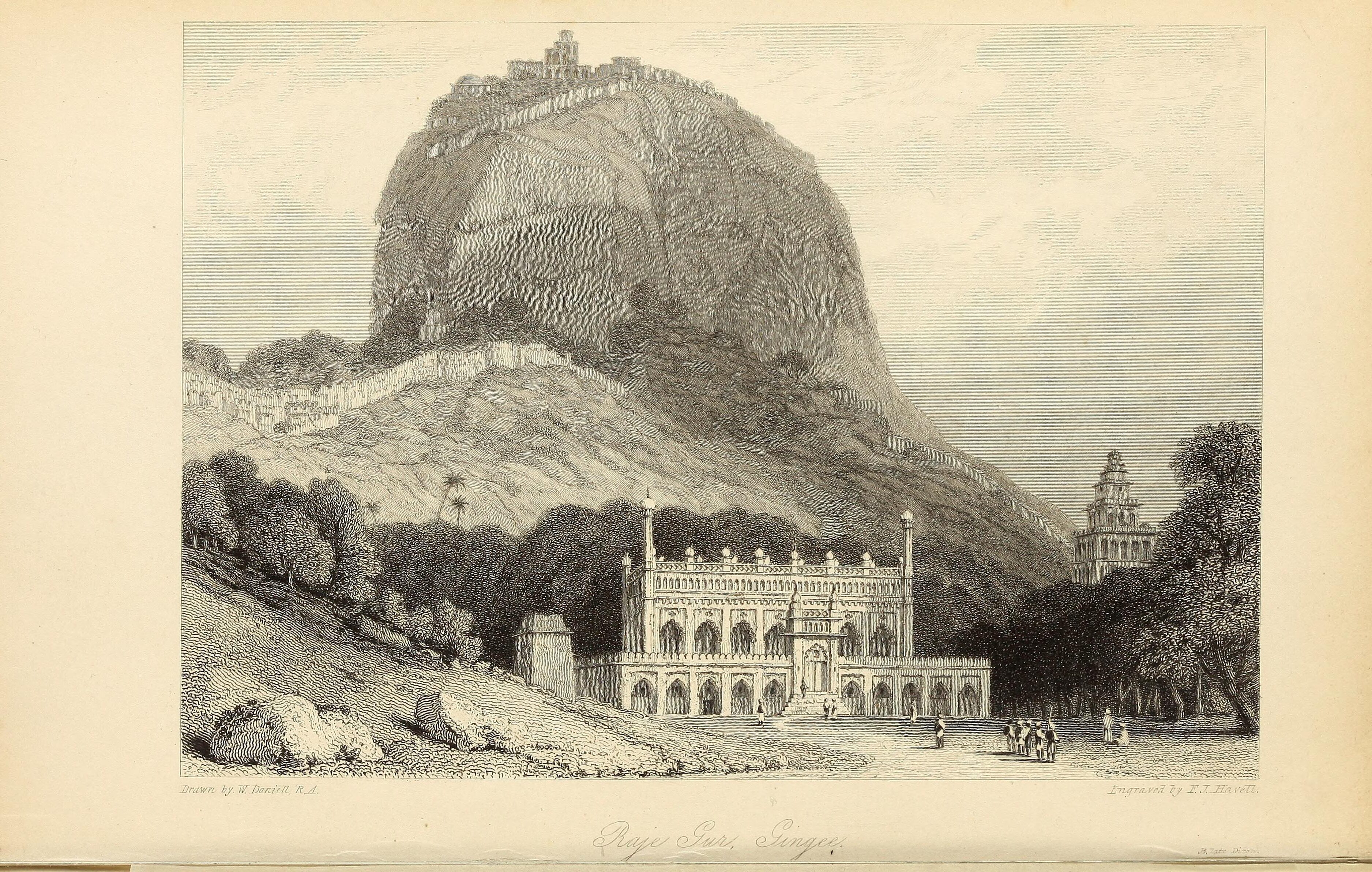
Gingee Fort is one of the few surviving forts in Tamil Nadu, India, and it holds a significant place in India’s history. Located in the Villupuram district, the Fort lies about 160 km from Chennai on the Tindivanam–Thiruvannamalai Highway and about 68 km from Pondicherry. Over the centuries, Gingee has been ruled by the Vijayanagara Nayaks, Islamic Sultans, Marathas, the powerful Mughals, as… Read more
Written by
-
Fall of the Vijayanagara Empire
The Vijayanagara Empire was founded in 1336 by Harihara I and Bukka Raya I of the Sangama dynasty. Under the leadership of Krishna Deva Raya (r. 1509-1529), the empire reached its pinnacle, marked by territorial expansion, economic prosperity, and the flourishing of arts and culture. During this golden age, the Vijayanagara Empire became a major centre of commerce, with a thriving… Read more
Written by
-
Third Anglo-Mysore War and Tipu Sultan’s two sons
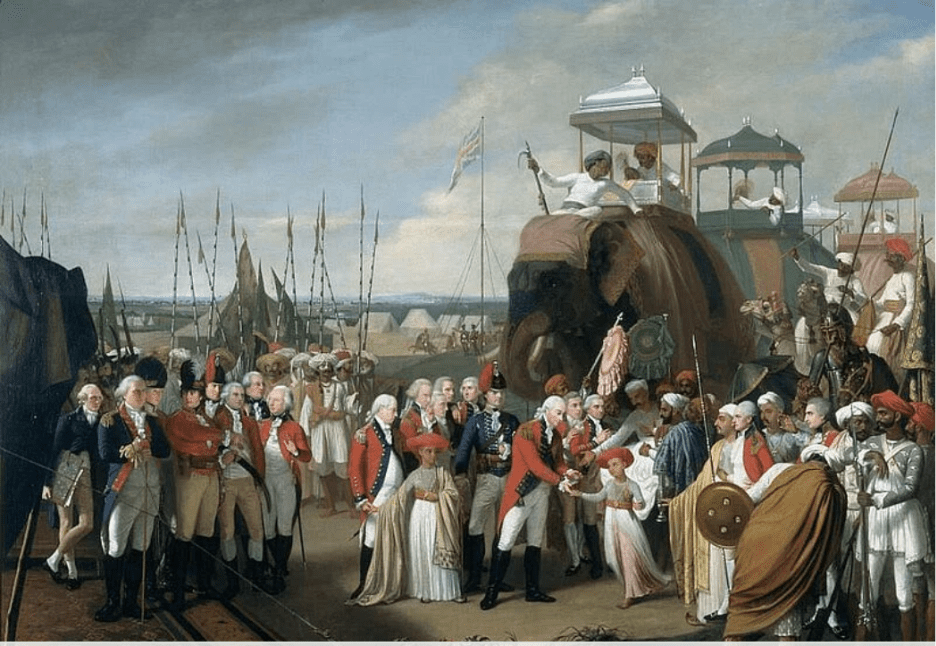
The Third Anglo-Mysore War (1789–1792) marked a significant turning point for both South India and Tipu Sultan. Following his defeat by the British, Tipu Sultan was compelled to accept a stringent treaty. Negotiations occurred on February 26, 1792, and the treaty was signed on March 19. The Treaty included the following: 1. One-half of the kingdom,… Read more
Written by